New Tesla Panel Technology
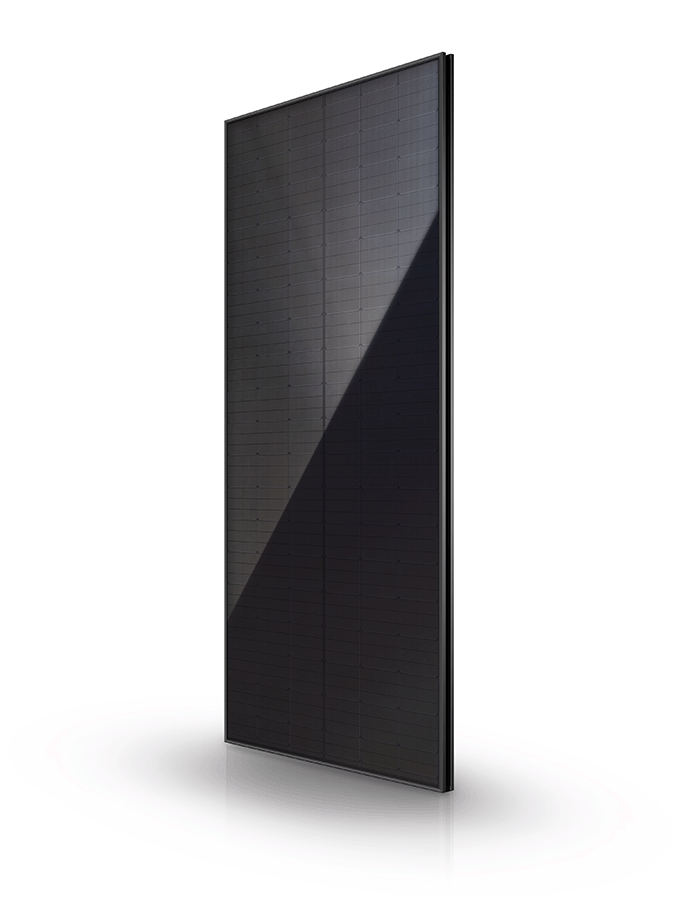
Tesla’s current panel system is listed at 420W, uses black materials, and is covered by Tesla’s 25-year panel manufacturer warranty. The sales conversation is simple: cleaner hardware, serious brand, local design clarity.
Ask Solar Mike has early Utah access to Tesla’s new solar panel program: upgraded Tesla panel technology, extra-low-profile racking, hidden-clamp aesthetics, and a new solar skirt that makes the system look finished instead of bolted on.
This is not a generic panel quote. This is a Tesla-first solar + Powerwall design conversation for Utah homeowners who care about aesthetics, backup, long-term power costs, and getting the math right before they sign.
No “free solar,” no guaranteed savings, no guaranteed tax outcomes, and no fake urgency. Incentives, rebates, utility programs, and eligibility vary by customer and current program rules.
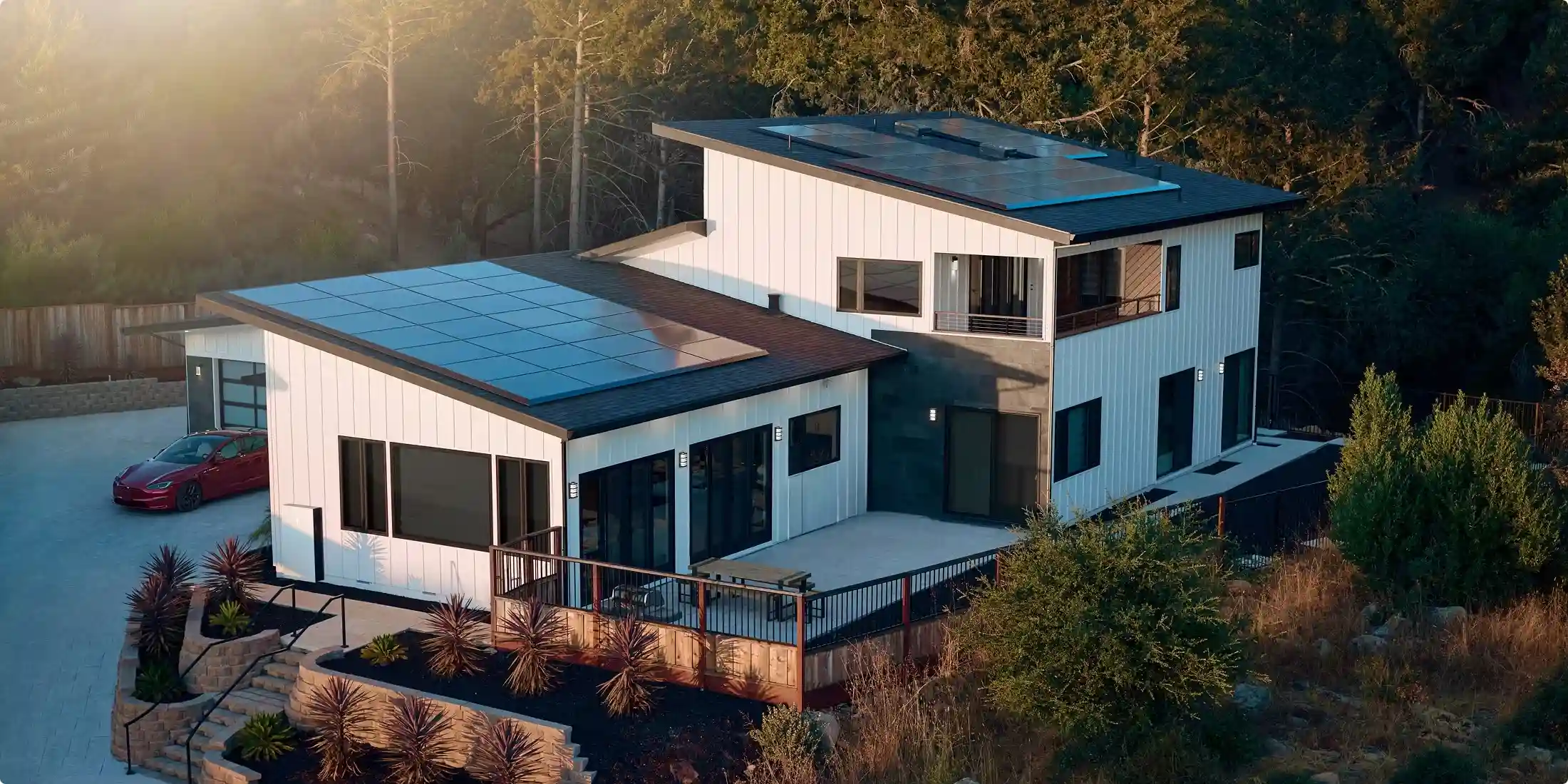
Most solar companies in Utah are still selling standard black panels with standard racking and a commodity pitch. Ask Solar Mike is leading with Tesla’s new panel program: better-looking hardware, lower-profile mounting, a finished skirt, and a stacked incentive conversation designed to make the decision easier to understand.
Tesla’s current panel system is listed at 420W, uses black materials, and is covered by Tesla’s 25-year panel manufacturer warranty. The sales conversation is simple: cleaner hardware, serious brand, local design clarity.
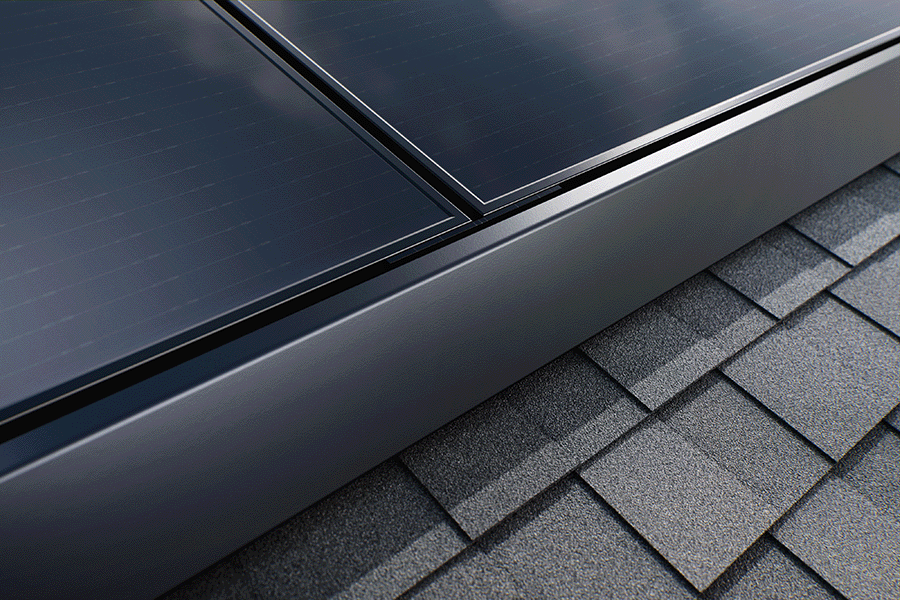
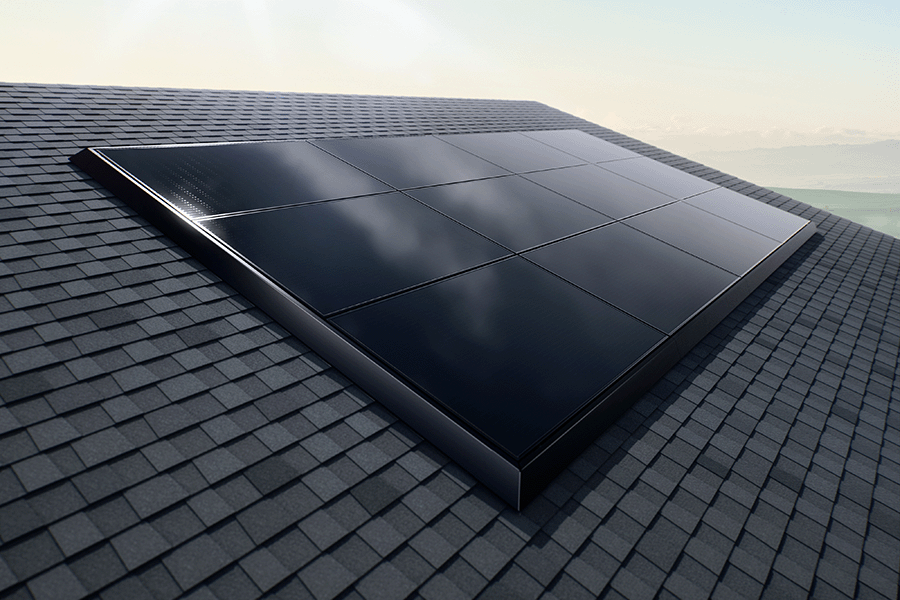
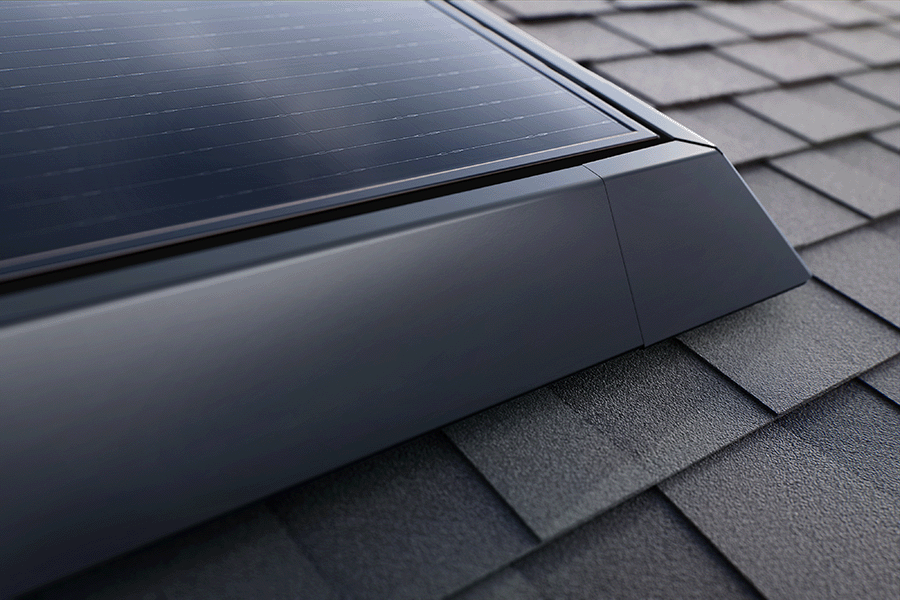
The updated racking and finished skirt help the panels sit lower and cleaner than the older “rack sitting on top of the roof” look most homeowners dislike.
Ask Solar Mike has access to this new Tesla solar panel launch path in Utah now. If you want the newest Tesla panel aesthetic, this is the conversation to start before you buy a generic system.
Rebate and incentive language is not a guarantee. Final pricing, eligibility, utility approval, program rules, and availability must be confirmed before contract.
These images should do the selling before the homeowner reads another paragraph. The story is visual: hidden hardware, lower profile, cleaner edges, and a finished Tesla look.
This is for Utah homeowners who want solar designed around real usage, Tesla hardware, local utility rules, roof fit, backup goals, and long-term power costs instead of a rushed payment quote.
You want a system that looks clean from the street, sits low on the roof, and does not look like an afterthought bolted onto a premium home.
You want more than a solar-only system. You want to understand what Powerwall 3 can back up, how many batteries may fit, and what happens when the grid goes down.
You want a real view of rising utility costs, current solar pricing, possible rebates, and whether waiting is actually the expensive option.
The old solar pitch is “how many panels and what monthly payment?” That turns every company into the same company. This offer is different: new Tesla panels, premium roof aesthetics, Powerwall 3 planning, rebate stacking, and a 30-year cost curve before you sit through a sales pitch.
Ask Solar Mike is not Tesla corporate and does not claim exclusivity as a Tesla provider. We help Utah homeowners understand the Tesla solar panel launch, the local design math, and the incentive stack before they buy.
Ask Solar Mike helps homeowners across Utah depending on project fit, permitting, utility, installation schedule, and system complexity.
The process is built to reduce uncertainty before you sign: bill review, roof review, Tesla solar panel fit, battery planning, incentive questions, and a clear next step.
We review your power bill, usage, roof, service panel, EV plans, and what you want powered during an outage.
You see solar panel count, Powerwall 3 fit, Gateway planning, utility considerations, possible rebates, and payment structure options.
After design, contract, permitting, utility steps, and installation, the system is activated and reviewed so you understand the app and backup behavior.
This tool solves one narrow problem: “What does it cost me to stay exposed to utility rate increases for the next 30 years?”
Enter your average monthly power bill and the Projection Tool turns it into two simple lines: the red line shows your estimated Rocky Mountain Power cost compounding from today’s rate at 8% per year; the green line shows the same estimated energy use at a flat Tesla solar + Powerwall benchmark of $0.075/kWh.
This is a planning tool, not a savings guarantee. The goal is not to promise your bill. The goal is to show the difference between variable utility exposure and a fixed-cost solar ownership benchmark.
Enter your current average monthly electric bill.
Projection Tool assumptions: red line converts your bill into estimated annual kWh using today’s $0.165/kWh utility rate, then compounds that utility cost at 8% per year. Green line uses the same estimated energy use at a flat $0.075/kWh Tesla solar + Powerwall benchmark. This is not a final quote, rebate promise, production guarantee, tax opinion, or utility approval. Mike verifies the real system size, rebates, financing, battery plan, and utility rules in the design review.
Real customers care about responsiveness, clear options, professional installation, and a system that fits their home. That is the bar.
A large-home solar and battery project needs more than a quick panel count. The design has to account for roof placement, production goals, major electrical loads, backup expectations, battery count, and the homeowner’s comfort with the final layout.
For a very large home, Ask Solar Mike helped design an 18kW solar system with two batteries so the homeowner could get a strong solar offset and a serious backup path.
“Fantastic company. Mike was great to work with and provided all the information we needed. Installation and placement of panels exceeded our expectations. Communication was immediate and always helpful. We definitely recommend this company!” Christine Miller
These answers are written for Utah homeowners comparing Tesla Solar Panels, Powerwall 3, utility rates, backup expectations, and long-term ownership.
Cost depends on system size, roof complexity, electrical work, batteries, permitting, and financing. A design call provides a high-level range without promising a fixed bill or guaranteed savings.
The new Tesla panel story is the combination of premium black-panel aesthetics, upgraded panel technology, extra-low-profile racking, hidden hardware, and a solar skirt that creates a cleaner finished look on the roof.
No. Ask Solar Mike does not claim to be the exclusive Tesla provider. Ask Solar Mike has access to Tesla’s new solar panel launch path in Utah and helps homeowners evaluate whether this new Tesla panel system fits their home.
Square footage is not enough. Usage, roof direction, shade, utility rules, service panel, battery needs, and future energy plans determine the actual system size.
No. Powerwall 3 is the battery and inverter platform. Tesla Solar Panels are separate products that can pair with it for solar generation and backup.
No. Powerwall should be installed by Tesla or a qualified Tesla Certified Installer/electrician following Tesla, utility, and code requirements.
Qualified customers may be able to use the 30% instant rebate through the Tesla pre-paid PPA program, up to $1,000 in Powerwall rebate support, and a potential Rocky Mountain Power Powerwall rebate where available. Ask Solar Mike offers a $2,000 Same-Day Decision Credit when the agreement is signed at the first appointment; decide later and the standard price applies. Eligibility, amounts, and rules must be verified before contract.
It adds cost, requires correct design, may need electrical upgrades, and cannot be mixed with every older Powerwall setup. The upside is stronger integrated backup when properly sized.
A solar-only system normally shuts down for safety during an outage. With Powerwall 3 and the right backup configuration, stored energy can power selected or larger home loads depending on the final design.
Rocky Mountain Power’s battery programs and incentives can change. Eligibility, rebate amounts, participation requirements, and utility rules should be verified before contract.
Most homeowners do not buy Tesla solar panels as a simple DIY product. Solar should be designed, permitted, installed, inspected, and connected under the correct utility and code requirements.
Tesla lists a 25-year product and performance guarantee for current panels. At year 25, homeowners should plan around the panel still producing a high percentage of its original capacity, commonly discussed around 85% depending on the product and warranty terms. Good solar panels can continue producing well beyond the warranty window, but a project should not be sold as a guaranteed 50-year output promise.
It can be difficult when financing, leases, liens, transfer paperwork, or poor documentation create buyer confusion. Clean ownership, clear records, and a simple explanation help.
A Wall Connector install can range from simple to expensive depending on distance from the panel, amperage, conduit, permits, and whether service upgrades are needed.
There is no universal Tesla “33% rule.” People may be referring to installation claims, electrical design limits, utility sizing rules, or financing math. Your property and utility determine the real answer.
Possible causes include low production, high usage, true-up timing, loan or lease payments, utility rate changes, shade, or a system that was not sized for current loads.
Ask Solar Mike focuses on Tesla solar panels and Powerwall 3 for Utah homeowners.
Often it can be, especially for high-usage homes seeking bill control and backup. But the math depends on utility, roof, equipment, incentives, financing, and how long you plan to own the home.
Ask Solar Mike is a local Utah Tesla-certified solar specialist, not Tesla corporate. The goal is to provide local design clarity and project support.
Timing varies by design, permitting, utility approval, equipment, inspections, and installation schedule. Some projects move in weeks; complex jobs take longer.
New Tesla panel access, premium roof aesthetics, Powerwall 3 planning, and a rebate stack can change the conversation from “solar payment” to “long-term power strategy.” Start with the blueprint before you buy a generic system.
No savings, tax incentives, utility approval, financing outcome, bill reduction, rebate amount, or outage performance is guaranteed. Final results depend on home usage, utility rules, equipment, weather, permitting, installation, current programs, and final design.